

-
Xi, Japarov chart new course for China-Kyrgyzstan ties
Xi expects stronger foundation, brighter future for China-Russia ties
Xi says China ready to work with Uzbekistan to usher in new 'golden decade' for bilateral relations
China ready to advance hand in hand along path of modernization with Mongolia, says Xi

-
Guangdong-Hong Kong-Macao Greater Bay Area
China (Guangdong) Pilot Free Trade Zone
Belt and Road Cooperation
Countries and Regions
Exhibitions

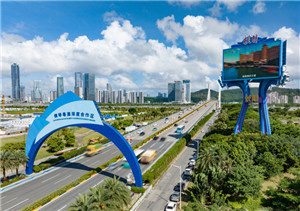
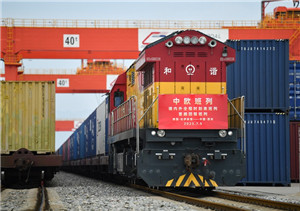

Eleven projects signed at CSGKC during Singapore-Guangdong meeting
Guangzhou retrospective of Venezuelan artist highlights global and local connections
Sino-Singapore Guangzhou Knowledge City releases 11 key projects to deepen Guangdong-Singapore multiple cooperation
Guangdong-Indonesia cooperation potential highlighted at 'Go Guangdong, Go Global' salon
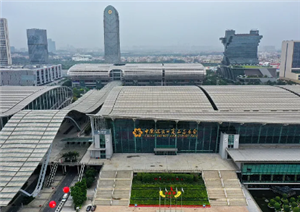
Eleven projects signed at CSGKC during Singapore-Guangdong meeting
Guangzhou retrospective of Venezuelan artist highlights global and local connections
Sino-Singapore Guangzhou Knowledge City releases 11 key projects to deepen Guangdong-Singapore multiple cooperation
Guangdong-Indonesia cooperation potential highlighted at 'Go Guangdong, Go Global' salon


