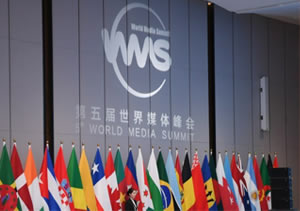


Liao Ning hosts a special session with Guangzhou Daily's Famous Doctor micro lecture series on Friday, which is open to all stakeholders interested in breast health, and covers the latest global advances in precision diagnosis and treatment. [Photo provided to chinadaily.com.cn]
Leading cancer doctors from around the world concluded a three-day summit in Shenzhen, Guangdong province, on Saturday, with Chinese researchers unveiling groundbreaking data showing significant genetic differences between Chinese and Western breast cancer patients. Their findings could reshape treatment strategies for millions of women.
The 2026 Breast Cancer Precision Individualized Treatment Conference brought together many prominent figures in oncology.
The summit came at a particularly sensitive time. Last week's news of a prominent female entertainer's death from recurrent breast cancer reignited public conversation about early screening, standardized treatment protocols and post-surgical care across China and beyond.
Breast cancer remains one of the most significant threats to women's health globally, said Liao Ning, director of the Breast Cancer Center at Guangdong Provincial People's Hospital and executive chair of the conference.
"Incidence rates continue to rise, and we're seeing patients diagnosed at younger ages," Liao said. "This conference is an opportunity to translate cutting-edge research into clinical practice that saves lives."
The highlight of the conference came from Liao's research team, which presented comprehensive data on genetic mutations in Chinese breast cancer patients using next-generation sequencing technology, or NGS.
The main finding: Chinese patients show dramatically different mutation patterns compared with Western populations — differences that could mean Western treatment guidelines may not always serve Chinese patients optimally.
The research team's most significant discovery centers on the PI3K-AKT-mTOR (PAM) signaling pathway, which has emerged as a critical target for treating HR+/HER2- breast cancer patients who develop resistance to endocrine therapy or CDK4/6 inhibitors.
The study found:
• 62.6 percent of Chinese breast cancer patients have PAM pathway-related gene mutations.
• PIK3CA mutations occur in approximately 45 percent of patients.
• AKT1 mutations appear in 7.06 percent of Chinese patients — 3.5 times higher than the 2 percent rate observed in Western populations
"This difference is clinically meaningful," Liao said. "AKT inhibitors could benefit a much larger proportion of Chinese patients compared with Western populations. If we simply follow Western guidelines, we may be missing treatment opportunities for our patients."
For patients with identified mutations, targeted therapies are already available. For example:
• PIK3CA mutations can be treated with PI3K inhibitors such as Alpelisib.
•AKT1 mutations (particularly the E17K hot spot mutation) respond well to AKT inhibitors such as Capivasertib.
Discovering mutations
The team also reported that approximately 5.53 percent of Chinese breast cancer patients carry pathogenic BRCA1/2 germline mutations.
Additionally, the researchers found that in the HR+/HER2+ subtype, mutated genes were significantly enriched in the homologous recombination repair (HRR) pathway. For these patients, PARP inhibitors such as Olaparib offer an effective precision treatment option.
Using NGS technology, the team detected both localized and widespread amplification of the ERBB2 gene — information that helps predict sensitivity to anti-HER2 targeted therapies. The research also revealed unique molecular characteristics in HER2-low expressing patients, opening new avenues for antibody-drug conjugate (ADC) treatments.
The overarching message from Liao's team: NGS-guided testing enables a fundamental shift in how breast cancer is treated.
"We're moving from a trial-and-error approach to a 'test-find-target' precision model," Liao said. "By identifying specific genetic mutations, we can match patients with the right targeted drugs — achieving different treatments for the same disease based on individual molecular profiles."
The research carries particular importance for younger Chinese breast cancer patients, who showed higher mutation rates in both TP53 and ERBB2 genes compared with their Western counterparts.
The presence of NCCN guideline leadership at the conference added weight to the proceedings. Industry observers noted that insights from the conference — including Lia's data on population-specific mutation patterns — may inform future updates to breast cancer treatment guidelines, both internationally and within China's rapidly evolving healthcare system.
"The goal is not to replace Western guidelines but to complement them with population-specific data," Liao said. "Chinese patients deserve treatment strategies based on evidence from Chinese populations."
In a move to make expert knowledge accessible beyond the conference halls, Liao hosted a special session with Guangzhou Daily's Famous Doctor micro lecture series on Friday. The session, which was open to all stakeholders interested in breast health, covered the latest global advances in precision diagnosis and treatment.
Wen Lingzhu, a member of Liao's team, participated in a rapid-fire Q&A segment answering common questions about breast cancer prevention, screening and treatment.
The conference concluded on Saturday, with official proceedings and consensus statements expected to be published in the coming weeks.
For millions of women affected by breast cancer worldwide — as well as the growing number of younger patients being diagnosed — the outcomes of the research could have a real-world impact on how care is delivered.
Liao's team noted that full research findings will be submitted for peer-review and publication, with details on the study methodology and patient cohorts expected to be released alongside the journal article.


Copyright © Foreign Affairs Office, People's Government of Guangdong Province. All rights reserved.