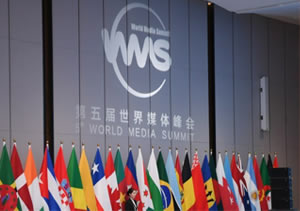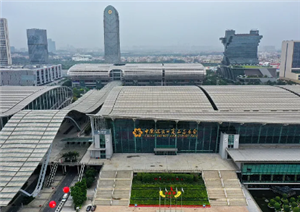


The opening ceremony of China-Arab States special session of the 2026 International Youth Poetry Festival in Guangzhou, Guangdong province, on May 9.[Photo provided to chinadaily.com.cn]
Young poets, writers and scholars from China and Arab countries have gathered in South China's Guangzhou, Guangdong province, for a poetry festival aimed at deepening literary dialogue and people-to-people exchanges.
A China-Arab States special session of the 2026 International Youth Poetry Festival began over the weekend in the southern metropolis, drawing more than 40 young poets, Sinologists and writers from 13 Arab countries, including Morocco, Syria and Egypt, alongside more than 40 young Chinese poets.
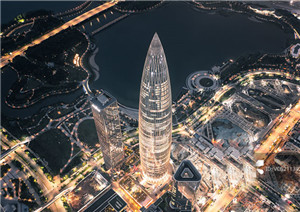
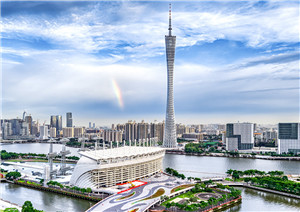
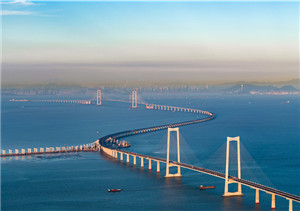
The event will run through Sunday. In the coming days, Chinese and Arab poets will take part in a series of cultural exchange activities in Guangzhou, Shenzhen, both in Guangdong province, and Beijing, including poetry readings, academic dialogues, poetry seminars, and field visits.
"Though separated by thousands of miles and different languages, the two great poetic traditions of China and the Arab world have become both the root and soul of their civilizations, with condensed language, profound wisdom, and sincere emotion," says Zhang Hongsen, chairman of the China Writers Association.
Zhang says he hopes young poets from both sides will draw inspiration from one another while staying rooted in their own cultures, allowing poetry to flourish through exchanges between tradition and modernity, and the local and the global.
For Egyptian poet Yahia Mohamed Wagdy Lotfy Omar, poetry can travel across languages and borders.
"When I write a line of poetry, a friend on the other side of the world who speaks a different language can still be moved by it and understand it. That is poetry," he says, adding that translation serves as an important bridge, and such gatherings can help poets break through their own limitations.
Launched by the China Writers Association in 2024, the International Youth Poetry Festival has previously held special sessions for BRICS countries and China-Latin America exchanges.
Organizers say the platform is growing into an international venue for young writers to promote literary dialogue and mutual learning among civilizations.


Copyright © Foreign Affairs Office, People's Government of Guangdong Province. All rights reserved.